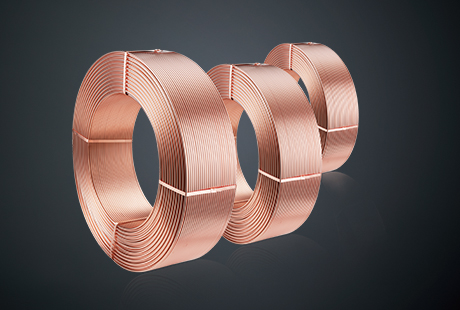
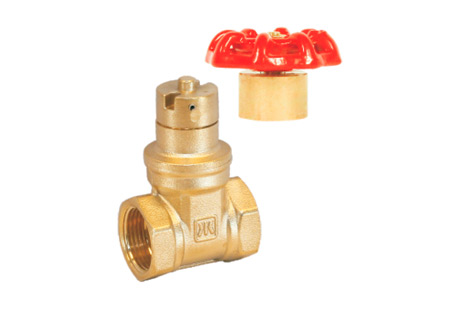
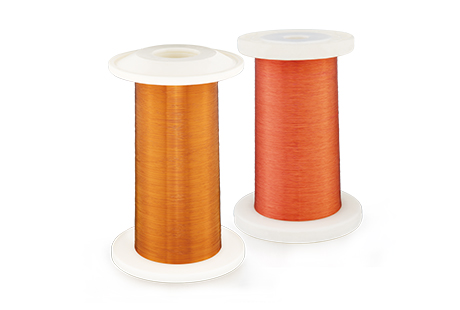
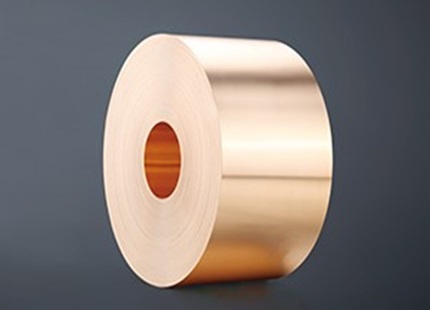
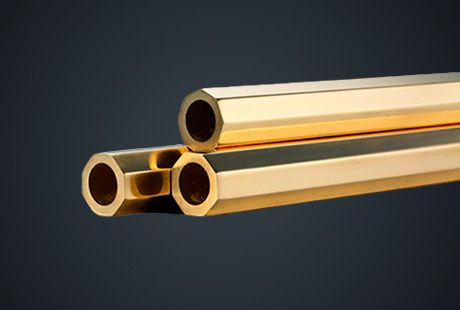
In the world of metallurgy and precision manufacturing, brass alloys serve as the backbone for countless industrial applications. Among the various grades available, CuZn39Pb3 (EN 12163 CW614N) stands out as the quintessential free-machining brass. Its popularity is a direct result of a meticulously balanced chemical composition that harmonizes strength, corrosion resistance, and unparalleled machinability.
For engineers and procurement specialists looking for high-quality materials, understanding the nuances of this alloy is essential. Leading manufacturers like Jintian have perfected the production of CuZn39Pb3 copper products, ensuring they meet the rigorous international standards required for high-speed automated machining.
The Core Chemistry
The nomenclature CuZn39Pb3 provides a clear roadmap of its primary constituents. According to standards such as EN 12164 and EN 12165, the alloy is defined by a specific ratio of copper, zinc, and lead. Let’s delve into the specific chemical limits and the functional role of each element.
1. Copper (Cu): 57.0% – 61.0%
Copper is the base metal that provides the alloy with its fundamental characteristics, including thermal and electrical conductivity, as well as inherent corrosion resistance. In CuZn39Pb3, the copper content is maintained between 57% and 61%. This specific range places the alloy in the duplex brass category, meaning it contains both alpha (α) and beta (β) phases in its crystalline structure. This duality is critical for achieving a balance between cold ductility and hot workability.
2. Zinc (Zn): Remainder (Approx. 39%)
Zinc acts as the primary alloying element. By adding zinc to copper, the resulting brass becomes stronger and harder than pure copper. The roughly 39% zinc content in CuZn39Pb3 contributes to the formation of the β-phase, which is significantly harder and more brittle than the α-phase at room temperature but becomes highly plastic at elevated temperatures. This makes the alloy exceptionally well-suited for hot forging and extrusion processes.
3. Lead (Pb): 2.5% – 3.5%
Lead is the secret ingredient that defines CuZn39Pb3 as a free-cutting alloy. Unlike zinc, lead does not dissolve into the copper-zinc matrix. Instead, it remains dispersed as tiny globules throughout the microstructure.
During machining, these lead particles act as:
Internal Lubricants: They reduce friction between the cutting tool and the workpiece.
Chip Breakers: They create microscopic points of weakness, causing the metal chips to break off into small, manageable fragments rather than long, tangled ribbons.
This allows for faster cutting speeds, reduced tool wear, and a superior surface finish.
4. Impurities and Trace Elements
To maintain the integrity of the alloy, strict limits are placed on impurities:
Iron (Fe): Maximum 0.3%. Excess iron can increase hardness unnecessarily and affect magnetic properties.
Nickel (Ni): Maximum 0.3%.
Tin (Sn): Maximum 0.3%.
Aluminum (Al): Maximum 0.05%.
Maintaining these low levels of impurities ensures that the mechanical properties remain consistent across different production batches.
The Role of Microstructure in Performance
The CuZn39Pb3 composition dictates its metallurgical structure, which is predominantly a mixture of α and β phases. The β phase is more zinc-rich and provides the alloy with its high strength and excellent hot-working properties.
The distribution of lead within this duplex structure is what gives CW614N its machinability rating of 100%—the benchmark against which all other copper alloys are measured. When the material is processed by reputable suppliers like Jintian, advanced casting and extrusion techniques are employed to ensure the lead is distributed uniformly, preventing hard spots that could damage precision tools.
Physical and Mechanical Properties
The chemical synergy of CuZn39Pb3 results in a material with impressive physical statistics. While properties can vary based on the temper, typical values include:
Density: 8.47 g/cm³
Melting Point: Approximately 880–895°C
Tensile Strength: 360 to 500 MPa, depending on the degree of cold working
Thermal Conductivity: 113 W/(m·K)
Electrical Conductivity: Approximately 27% IACS (International Annealed Copper Standard)
The high lead content makes the alloy less suitable for welding or heavy cold forming, such as deep drawing, as the lead particles can cause cracking under extreme tensile stress. However, for any application involving drilling, milling, or turning, its performance is unrivaled.
Industrial Applications of CuZn39Pb3 Material
Because of its specific chemical makeup, CuZn39Pb3 is the preferred choice for high-volume production of intricate components. Its ability to be machined at extremely high speeds without sacrificing tool life makes it economically indispensable in several sectors:
Automotive Industry: Used for sensors, valves, connectors, and fuel system components.
Electrical Engineering: Terminals, switch parts, and plug pins benefit from the alloy's decent conductivity and ease of manufacture.
Plumbing and HVAC: Hot-stamped valves, faucets, and fittings frequently utilize this grade because it can be easily forged into complex shapes and then precision-machined.
General Hardware: Screws, nuts, bolts, and gears used in clocks, locks, and instruments.
The alloy’s versatility stems from its ability to be extruded into various profiles, hexagonal, round, square, or custom shapes, allowing manufacturers to start with a near-net shape and minimize waste.
Processing and Manufacturing Considerations
Machinability
With a machinability index of 100, CuZn39Pb3 is the industry standard. It allows for the highest possible cutting speeds on CNC machines. The lead globules reduce the cutting force required, which prevents the workpiece from overheating and warping during the process.
Hot Working
The alloy shows excellent plasticity between 650°C and 750°C. This makes it the premier choice for hot forging. During hot working, the β phase becomes dominant, allowing the material to flow into intricate die cavities without fracturing.
Corrosion Resistance
While brass is generally resistant to corrosion, the 39% zinc content makes CuZn39Pb3 somewhat susceptible to dezincification in certain aggressive environments, like very soft water or acidic soils. However, for most atmospheric, indoor, and standard plumbing applications, its resistance is more than sufficient.
CuZn39Pb3 vs. Other Brasses
It is helpful to compare CuZn39Pb3 with other common grades to understand its specific niche:
CuZn37 (CW508L): This is a common brass with no lead. It is excellent for cold working (bending, deep drawing) but is much harder to machine.
CuZn40Pb2 (CW617N): This grade has slightly less lead and slightly more zinc. It is often considered the standard forging brass. While its machinability is high (95%), CuZn39Pb3 (CW614N) remains the superior choice for pure turning and milling operations.
Contact Jintian:
The chemical composition on a spec sheet is only half the story; the manufacturing process determines the actual performance. Producing high-quality CuZn39Pb3 requires precise temperature control during melting and sophisticated filtration to remove oxides.
Jintian has established itself as a global leader in the copper processing industry. By leveraging state-of-the-art production lines, Jintian ensures that the CuZn39Pb3 copper maintains a highly consistent chemical composition. This consistency is vital for automated factories where even a minor deviation in lead distribution or zinc content can lead to broken tools or inconsistent part dimensions. The commitment to international standards (EN, ASTM, JIS) makes Jintian a preferred partner for enterprises requiring high-volume, high-precision brass components.
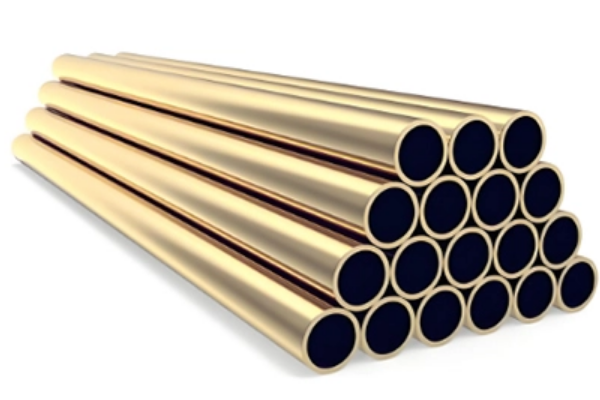
The chemical composition of CuZn39Pb3 is a masterpiece of metallurgical engineering. By carefully balancing the copper-zinc ratio to create a duplex structure and introducing a controlled amount of lead for lubrication, scientists have created an alloy that empowers modern high-speed manufacturing.
Whether it is used in the delicate gears of a high-end watch or the robust fittings of a commercial heating system, CuZn39Pb3 delivers a level of efficiency that few other materials can match. For manufacturers aiming for the highest quality, sourcing from established suppliers like Jintian ensures that the chemical integrity of the alloy is preserved, resulting in superior end-products and optimized production costs. As the industry moves toward even higher levels of automation, the demand for reliable, free-machining alloys like CuZn39Pb3 will only continue to grow, cementing its status as an indispensable material in the global industrial landscape.

 English
 한국어
한국어 français
 Deutsch
 Español
 italiano
 العربية
 tiếng việt
 Türkçe
 ไทย
ไทย 中文
中文